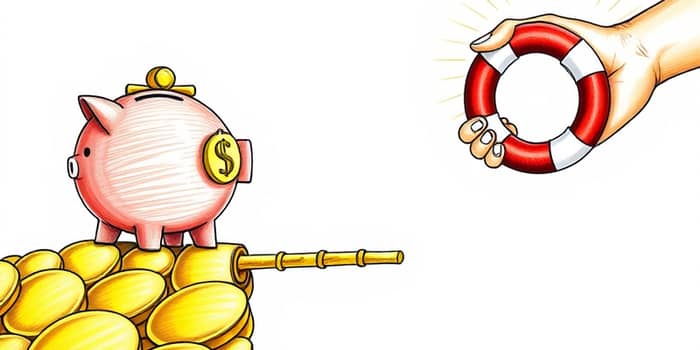
Emergencies strike without warning, testing our financial readiness. While a robust savings cushion remains the cornerstone of stability, there are times when even the best-laid plans fall short. In those moments, a strategic financial backup option can mean the difference between crisis and confidence.
This article explores how personal loans can serve as a thoughtful complement to emergency funds—acting as a bridge in urgent situations and empowering you to emerge stronger.
Unexpected events—car repairs, medical bills, job interruptions—account for over half of financial shocks faced by Americans. Data from May 2024 reveals that 27% of U.S. adults have no emergency savings, while 29% carry more credit card debt than savings. Nearly 43% admit they would borrow to cover a $1,000 expense.
Even modest savings can provide significant relief. The CFPB recommends at least one month’s income set aside, though three to six months of living expenses offers a more comfortable buffer. Yet, with average savings hovering around $16,800—skewed by high earners—many households still find themselves vulnerable.
Personal loans, when used wisely, can provide quick liquidity when cash runs low. Unlike payday loans with interest rates up to 400%, or credit cards averaging 24% APR, personal loans often range from 4.99% to 35.99%, with an average around 12.46%. For borrowers with good credit, rates as low as 4.99% can keep interest costs manageable.
Think of a personal loan as a temporary supplement: draw on it to address urgent needs, then replenish your emergency fund to avoid recurring debt. This cycle fosters resilience and keeps credit profiles strong.
Building and maintaining an emergency fund should remain the primary goal. Yet personal loans can offer peace of mind with sizable lump-sum access during unexpected gaps. The true partnership emerges when you use debt tactically—only after tapping into savings—and commit to rebuilding your fund immediately.
Consider these comparative scenarios for a $5,000 emergency repaid over one year without fees:
Weighing the benefits and drawbacks helps ensure that loans reinforce—not replace—your savings strategy.
Adopting a disciplined approach ensures that personal loans and emergency funds work in harmony. Follow these guidelines to maximize security and minimize risks:
Your likelihood of having a robust emergency fund closely ties to credit status and financial well-being. The CFPB categorizes savers into three groups:
Combining a solid emergency fund with judicious use of personal loans can transform how you navigate financial storms. By leveraging low-cost credit responsibly and committing to consistent saving, you build a cycle of strength that reduces stress and boosts confidence.
Your financial journey is personal, but you need not walk it alone. With discipline, foresight, and the right tools, you can create a safety net that withstands any challenge. Embrace this prudent partnership, and seize control of your financial destiny.
References