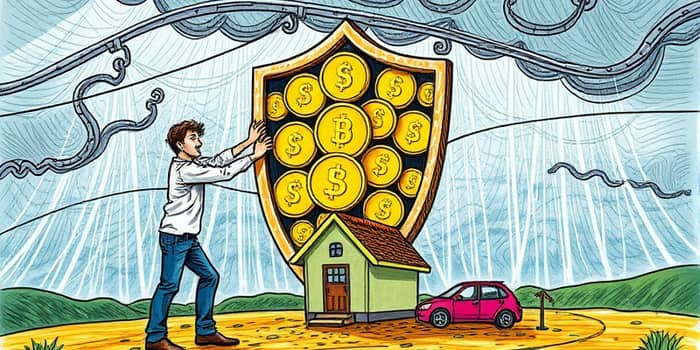
Life has a way of delivering surprises when we least expect them. A sudden car repair, an unplanned medical bill, or urgent home maintenance can upend even the most carefully crafted budget. The key to navigating these challenges is preparation, not panic.
In this article, we explore how personal loans can serve as a strategic tool when savings fall short, and offer practical steps to strengthen your financial resilience. By understanding your options and building reliable buffers, you can turn uncertainty into confidence.
Recent surveys reveal that only 30% of Americans would tap their savings for a $1,000 emergency expense. Shockingly, 43% admit they lack funds for that same amount, while 29% carry more credit card debt than savings. Younger generations are particularly vulnerable: Gen Z and millennials are twice as likely to dip into savings for non-essential spending compared to boomers.
Without an adequate safety net, many resort to high-interest credit cards, borrowing from friends, or paying off essentials by cutting back elsewhere. These stopgap measures can create a cycle of debt and anxiety, making true financial peace of mind seem out of reach.
When savings are insufficient and the clock is ticking, a personal loan can offer lower fixed interest rates than cards and predictable repayment terms. Unlike credit cards where rates often exceed 20%, personal loan APRs for good credit typically range from 6.5% to 18%, depending on lender and term.
Personal loans can be used for any purpose—from veterinary bills to urgent home repairs—without requiring collateral. They can provide the swift access to funds you need while giving you a clear timeline to restore your emergency fund.
Keep in mind that rates vary based on credit score, debt-to-income ratio, and loan term. Shorter terms deliver lower overall interest cost but require higher monthly payments. Always compare offers before committing.
Finding the best personal loan is a matter of informed comparison. Follow these steps to secure favorable terms:
By dedicating time to research, you can often reduce your APR by several percentage points, translating to hundreds or thousands of dollars saved over the life of the loan.
While loans can be a valuable tool for unforeseen costs, your first line of defense should still be savings. Aim to establish three to six months of expenses in an accessible emergency fund. For predictable but irregular costs—like electronics, clothing, or school supplies—create sinking funds.
By splitting your savings into targeted accounts, you protect your emergency buffer and reduce the need for high-cost borrowing.
Preparing for unexpected expenses requires both discipline and foresight. Combine a solid emergency fund with targeted sinking reserves, and view personal loans as a strategic bridge—not a crutch. This balanced approach allows you to weather financial storms with grace.
Remember, true security comes from action. Start today by reviewing your budget, exploring prequalification offers, and setting up automatic contributions to your savings. With these steps, you can build an emergency financial buffer reduces stress and reduce reliance on high-cost credit. Embrace your power to turn uncertainty into opportunity, and face tomorrow with unwavering confidence.
References