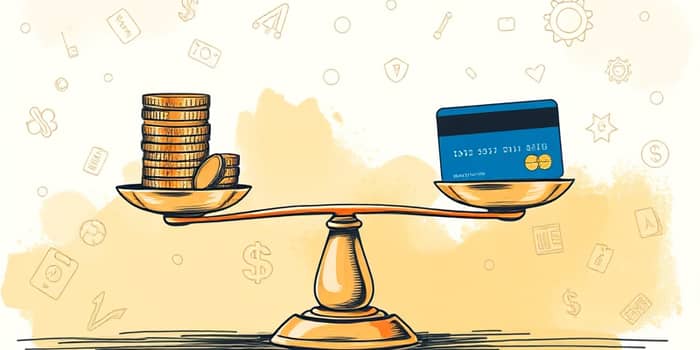
Choosing the right form of credit can be a decisive factor in achieving your financial goals and securing peace of mind. Whether you are facing unexpected expenses or planning a significant purchase, understanding the nuances of personal loans versus credit cards empowers you to make informed decisions with confidence that align with your long-term objectives.
In times of financial uncertainty, having access to the right type of credit can differentiate between stress and stability. Making well-informed borrowing decisions saves money and preserves mental and emotional wellness, allowing you to focus on what matters most in your life.
Personal loans offer a lump sum upfront and require fixed monthly payments over a set term, typically ranging from one to seven years. Interest rates are usually fixed, meaning the rate you agree on at the start will remain constant throughout the loan period. Credit cards, on the other hand, provide a revolving line of credit up to a preset limit. They allow you to borrow, repay, and borrow again, but come with variable interest rates that may change over time.
This fundamental difference in structure affects how you plan repayments, manage balances, and forecast your monthly expenses. While personal loans give you predictable repayment schedules and defined payoff dates, credit cards let you adjust your borrowing within your limit, albeit at the cost of potential interest fluctuations.
Personal loans typically allow borrowing amounts ranging from $1,000 to $100,000, with approval largely influenced by your credit score, income, and debt-to-income ratio. A strong credit history can unlock rates below 5%, while lower scores may lead to higher rates or stricter terms.
When evaluating which option will be more cost effective, consider the average annual percentage rates (APRs) and how they apply to your situation. Personal loans typically offer rates averaging around 12.43%, with a range from 6% to 36%, depending on creditworthiness. Credit cards often carry higher rates, averaging 20.12% APR, although you can avoid interest entirely by paying your balance in full each month.
By comparing the cost of borrowing between these two, you can see that personal loans are generally cheaper for large balances that will take several months to repay, while credit cards shine for small, short-term purchases that can clear within a billing cycle.
Remember, promotional credit card offers may lure you with seemingly low rates, but always read the fine print. Balance transfer fees, annual fees, and variable rates that reset after the introductory period can offset any early savings. In contrast, personal loans have no surprises with fixed interest commitments, making them a reliable choice for those who value financial certainty.
If you have a significant expense and need a clear timeline for repayment, a personal loan may be the right choice. Consider using a personal loan for:
Imagine funding your kitchen renovation with a personal loan, knowing that your monthly installment fits within your budget. Or consolidating three high-rate cards into one single payment, reducing stress and improving cash flow. These scenarios illustrate how personal loans transform complex debt into manageable, structured repayment plans, giving you greater control over your monthly budget and a clear path to financial freedom.
Personal loans offer several compelling benefits when used for the right reasons:
These features make personal loans attractive for those looking to manage large balances, build credit responsibly, and avoid the volatility of revolving debt.
Credit cards remain a powerful tool when managed wisely. They are ideal for everyday purchases, small expenses, and situations where you can take advantage of promotional offers like introductory 0% APR periods or cash back rewards. If you expect to pay off your balance in full each month, credit cards offer interest-free periods up to 30 days on new purchases, along with bonus points or cash back incentives.
However, carrying a balance means subjecting yourself to variable rates that could exceed 20%, so discipline and regular tracking of your spending are paramount. Maintaining awareness of your credit utilization and payment due dates prevents unexpected fees and protects your credit score from sudden declines.
To determine which option best suits your needs, ask yourself the following questions:
Answering these questions helps align your choice with your financial goals, risk tolerance, and budgeting habits. Reflecting honestly on your spending patterns and repayment capacity ensures you select the most sustainable and cost-effective borrowing method for your unique situation.
Once you decide whether a personal loan or credit card fits your scenario, follow these best practices to ensure you make the most of your decision:
Compare multiple lenders or card issuers to secure the best rates and terms. Use online calculators to project payment schedules and total costs. Maintain a low debt-to-income ratio to qualify for favorable offers and avoid taking on more credit than you can comfortably manage.
Before applying, check your credit report for errors, negotiate fees with potential lenders, and review any early repayment penalties. These details can substantially affect the true cost of borrowing and your ability to clear debt ahead of schedule. Above all, commit to a plan for regular, on-time payments. If you hold a personal loan, establish automatic transfers to avoid missed deadlines. If you carry a credit card, track spending and aim to pay off balances fully each month to preserve your credit health and minimize interest charges.
By thoughtfully evaluating your borrowing options and aligning them with your unique financial situation, you empower yourself to make smart choices that support long-term stability and growth. Whether consolidating debt, funding a major purchase, or managing routine expenses, understanding the distinctions between personal loans and credit cards ensures you choose the path that best serves your goals and peace of mind.
References