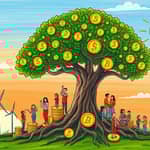
Financial innovation is reshaping our world, offering powerful tools to protect the planet while unlocking new economic potential. Sustainable FinTech stands at the intersection of finance and environmental stewardship, demonstrating that profitability and responsibility can go hand in hand.
Understanding Sustainable FinTech
Sustainable FinTech, often called green business integrating financial services, refers to enterprises that actively work to minimize negative environmental impacts without sacrificing economic growth. These pioneers embed sustainability into every decision, offering products and services that replace unsustainable alternatives and promoting transparency in their operations.
At its core, Sustainable FinTech pursues the triple bottom line sustainability approach—supporting people, planet, and profit. Companies that meet these criteria not only appeal to a more conscious customer base but also benefit from reduced risks, stronger brand loyalty, and long-term resilience.
Key Benefits of Green Finance Innovations
By aligning financial services with environmental goals, Sustainable FinTech unlocks a variety of advantages for businesses, investors, and communities alike:
- Income Growth: Launching innovative green finance opportunities attracts new clients and supports premium pricing.
- Market Differentiation: Unique eco-focused offerings foster deeper customer loyalty and talent retention.
- Cost Efficiency: Streamlined processes and eco-friendly operations often reduce waste, energy usage, and insurance premiums.
- Supply Chain Stability: Ethical sourcing and long-term partnerships enhance reliability and reputation.
- Increased Company Valuation: Investors reward firms with robust ESG metrics and future-ready strategies.
Leading Directions and Opportunities
Sustainable FinTech spans a spectrum of initiatives mapped to the UN Sustainable Development Goals (SDGs). Two core approaches are particularly transformative:
Image and Charitable Eco-Projects (No Direct Investor Profit)
- Stripe: Automatically allocates a share of revenue to carbon-reduction technologies and awards a green badge for corporate image.
- TreeCard: Uses wooden debit cards made from recycled materials and funds global tree-planting; users track both spending and environmental impact.
- Aspiration: Rounds transactions to the nearest dollar to plant trees, and offers cards that offset individual carbon footprints through routine purchases.
Green Investing (Profit-Oriented with Sustainability Criteria)
- Atmos: Climate-friendly bank channeling deposits into renewable energy, efficient transport, and green agriculture projects.
- Trine: Crowdfunding platform for solar energy investments, enabling individuals to earn returns while reducing CO₂ emissions.
- Raise Green: SEC/FINRA-licensed platform connecting accredited and non-accredited investors with local clean-energy ventures.
- Peer-to-Peer Energy Trading: Platforms like Vandebron, Piclo, and Brooklyn Microgrid empower prosumers to buy and sell renewable energy directly.
- Doconomy: Integrates banking and payment technology with real-time carbon tracking to foster financial habits that align with planetary boundaries.
Top Trends Shaping Sustainable FinTech
Innovators are leveraging technology to reduce environmental footprints and create new market dynamics. Among the most influential trends are:
Additional cutting-edge developments include:
- Eco-Conscious Cryptocurrencies: Proof-of-stake alternatives that consume a fraction of traditional mining energy.
- Digital Wallets for Carbon Offsetting: Embedded features that allow users to support reforestation or renewable energy with each transaction.
- Mobile Payments and e-Signatures: Reducing paper and plastic waste across financial operations.
- Sustainable Loans and Green Mortgages: Lower lending rates for projects that meet efficiency or ecological standards.
Strategies to Implement Sustainable FinTech
Organizations seeking to join the green finance revolution can follow practical steps to integrate sustainability:
- Set Clear ESG Goals: Define measurable sustainability objectives aligned with SDGs and embed them into governance frameworks.
- Adopt Carbon Tracking Technology: Use blockchain or AI-driven tools for real-time carbon footprint tracking across services.
- Offer Green Financial Products: Develop loans, cards, or investment funds that incentivize eco-friendly behaviors.
- Engage Stakeholders: Collaborate with NGOs, regulators, and communities to co-create lasting environmental solutions.
- Report Transparently: Issue regular sustainability reports to showcase progress and build trust with conscious investors.
Looking Ahead: The Future of Sustainable Finance
The global FinTech market is projected to approach $700 billion by 2030, with green investments already topping $495 billion in 2022. As ESG integration becomes a competitive imperative, financial institutions will increasingly embed climate risk models, offer subsidized rates for sustainable initiatives, and expand green bond markets in the hundreds of billions.
By embracing Sustainable FinTech, businesses and investors can seize a unique opportunity to drive positive environmental outcomes globally while securing robust returns. The journey toward a greener tomorrow requires vision, innovation, and collective action. Now is the time to align financial success with ecological stewardship, ensuring that our prosperity today does not come at the expense of future generations.