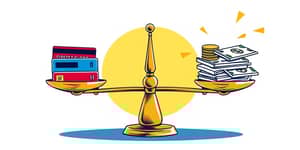
Taking out a personal loan can be a powerful tool for achieving dreams—whether it’s consolidating high-interest debt, covering emergency expenses, or investing in personal growth. However, without a solid plan, borrowing can quickly become overwhelming. In this guide, we’ll explore how to approach personal loans with integrity, foresight, and perseverance, transforming debt into a stepping stone toward financial freedom.
Before signing any loan agreement, it’s crucial to understand the current lending environment. As of February 2026, average personal loan rates hover around 12.16% APR for borrowers with a 700 FICO score seeking a $5,000 loan over three years. Rates vary widely based on creditworthiness, ranging from as low as 6.49% APR to as high as 35.99% APR.
Here’s how rates break down by credit score:
Top lenders also offer competitive options: Wells Fargo (6.74%–25.99% with autopay), American Express (6.99%–19.99%), Citi (7.99%–19.49%), and more. By comparing these figures, you can choose a loan that aligns with your financial reality and goals.
Responsible borrowing starts with a clear picture of your existing obligations. Create a comprehensive debt map that lists each creditor, outstanding balance, APR, and monthly minimum. This initial step helps you determine how much additional debt you can sustainably manage.
Consider the following checklist:
Understanding your complete financial picture allows you to set realistic limits and avoid borrowing more than you can repay.
Once you’ve taken out a personal loan, select a repayment method that keeps you motivated and minimizes interest costs. Two popular approaches are the debt snowball and debt avalanche methods.
Snowball Method: Focus on the smallest balance first, making minimum payments on all other debts. As you clear each loan, roll its payment into the next smallest balance. This technique delivers quick victories and builds psychological motivation and momentum.
Avalanche Method: Prioritize debts with the highest APR. By targeting expensive interest first, you save money over time and accelerate payoff. As each high-rate loan is eliminated, you continue down the list, creating an "avalanche" of progress.
Regardless of which method you choose, consistently paying more than the minimum—even an extra $20–$200 per month—can drastically shorten your repayment timeline and reduce total interest paid.
For many borrowers with multiple debts, securing a consolidation loan can streamline payments and lower rates. When done thoughtfully, consolidation provides:
Options include balance-transfer credit cards (often with 0% introductory APR), personal loans tailored for consolidation, or home equity lines of credit for those with sufficient equity. Always weigh fees, introductory periods, and long-term rates before committing.
Even the best repayment plan can falter without disciplined habits. Automating your payments ensures you never miss a due date and protects your credit score.
Implement these best practices:
By embedding these routines into your financial life, you transform payment obligations into effortless, stress-free tasks.
A well-crafted budget is the cornerstone of sustainable borrowing. The 50/30/20 rule—allocating 50% of income to necessities (including debt), 30% to discretionary spending, and 20% to savings—provides a flexible framework for many households.
To build your budget:
Tweaking these allocations may be necessary during high-debt phases, but always aim to maintain an emergency fund alongside debt payments to safeguard against unexpected costs.
Loans with APRs above 36% are widely considered unaffordable and potentially predatory. Always read the fine print, calculate the total cost of borrowing, and resist the temptation of fast-cash solutions that can spiral into unmanageable debt. Remember, true financial empowerment comes from making informed, conscientious choices.
Borrowing ethically isn’t just about securing the lowest rate; it’s about aligning each debt decision with your broader life goals and values. By mapping your current obligations, choosing a repayment strategy that resonates with you, and building disciplined payment habits, you can transform a personal loan from a burden into a bridge toward opportunity.
Embrace this journey with patience and resolve. Each step you take—no matter how small—brings you closer to financial stability, freedom, and the confidence that you’re borrowing not just responsibly, but ethically.
References