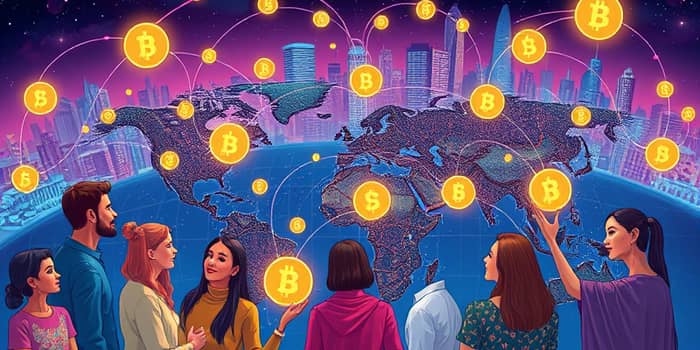
In today’s digital age, tokenized securities are revolutionizing the way we invest in traditional assets. By representing stocks, bonds, real estate, and more as digital tokens on a blockchain, this innovation is democratizing access, enhancing transparency, and increasing liquidity for investors worldwide.
Tokenized securities convert ownership rights into digital tokens recorded immutably on a distributed ledger. Through smart contracts automating revenue distributions, investors receive dividends or rental income directly and instantly. Each token represents a fraction of the underlying asset, enabling participation in high-value markets.
This process uses blockchain platforms to replace third-party recordkeepers, offering transparent ownership trails for every transaction. Tokens are issued via security token offerings (STOs) and backed by custodians holding the real-world asset, ensuring legal protections and compliance.
Fractional ownership allows multiple investors to own portions of expensive assets, from luxury homes to blue-chip equities. By dividing a $50 million office building into millions of tokens, smaller investors can access opportunities previously reserved for institutions.
Tokenization removes geographical barriers, allowing investors to trade tokens representing assets across continents. No longer constrained by local brokerages or market hours, participants enjoy truly global markets operating around the clock.
Programmability via smart contracts enables automatic compliance with local regulations, such as investor accreditation or holding period requirements. This seamless integration of traditional legal frameworks with blockchain efficiency opens new channels for capital formation worldwide.
Several pioneering platforms demonstrate the transformative potential of tokenization. On FTX, tokenized Tesla shares backed 1:1 allow investors to trade global equities around the clock. Matrixdock issues short-term T-bill tokens, while Ondo offers high-yield corporate bonds via iBoxx ETF tokens.
Platforms like Backed.fi tokenize shares of Apple, Amazon, and other blue-chip companies, custodied in real brokers’ accounts. In real estate, RealT and other services divide rental properties into tokens, distributing income directly to token holders each month.
Tokenized securities fall under existing securities laws. In the U.S., the SEC considers these tokens as securities if they represent stocks or bonds. Issuers must comply with regulations on investor accreditation, reporting, and taxation.
Custodians hold the underlying assets, ensuring tokens confer the same legal rights as traditional ownership. Smart contracts can enforce holding periods and distribute proceeds while maintaining strict adherence to jurisdictional rules encoded directly on-chain.
Despite rapid growth, tokenization faces challenges. Regulatory frameworks continue to evolve, requiring coordination between lawmakers and tech innovators. Standardization of protocols and interoperability among platforms remain key goals.
Looking ahead, sectors such as infrastructure revenue, private credit, and venture capital funds are primed for tokenization. As platforms like Ondo, Matrixdock, and Tokeny expand, the market will see accelerated diversification across global asset classes.
By bridging traditional finance with blockchain technology, tokenized securities are poised to redefine ownership. This innovation empowers individuals, fosters financial inclusion, and creates a future where anyone can invest in previously inaccessible assets.
References